Sound familiar? You own a few ETFs, some individual shares and perhaps an investment property. You’ve read about investing, followed the markets and made decisions along the way.
But if someone asked you why you own each investment, could you explain how they work together?
This is what I want people to think about. Having a range of investments doesn’t necessarily mean you have a strategy.
One of the common issues I see is people investing because they know they should, without first being clear about what they want their money to achieve.
They see an investment that interests them, buy it and move on to the next opportunity. Over time, the portfolio grows, but it can become difficult to explain what each holding is there to do.
Start with the purpose of your portfolio
Before deciding what to invest in, work out what you’re investing for.
Are you building wealth over the next 20 years? Planning to retire early? Trying to generate an income? Or do you need access to some of your money in the next few years?
Your answer matters because it influences the type of portfolio you need, how much risk makes sense and how your money should be allocated.
Without that starting point, it’s easy to end up with investments that look reasonable individually but don’t necessarily work well together.
More investments don’t always mean more diversification
ETFs have made investing more accessible than ever and there are now more than 400 listed in Australia. That’s a good thing. But the growing number of available funds can also make it tempting to keep adding to a portfolio.
You might own a broad Australian shares ETF, a global shares ETF and a technology ETF. Each has a different name and focus, but they may hold some of the same companies.
That means you could have more exposure to certain companies or sectors than you realise.
The same issue can arise with individual shares. A portfolio with lots of holdings can still be concentrated in a small number of industries, countries or businesses.
The question isn’t how many investments you own. It’s whether those investments give you the mix of exposures you actually want.
Look at the whole picture
Portfolio construction involves looking at your investments as a whole.
One important decision is your strategic asset allocation: the mix of growth assets, such as shares and property, and defensive assets, such as cash and fixed interest.
That mix has a significant influence on how your portfolio behaves and the returns you might expect over time. Choosing the next ETF or individual share is only one part of the picture.
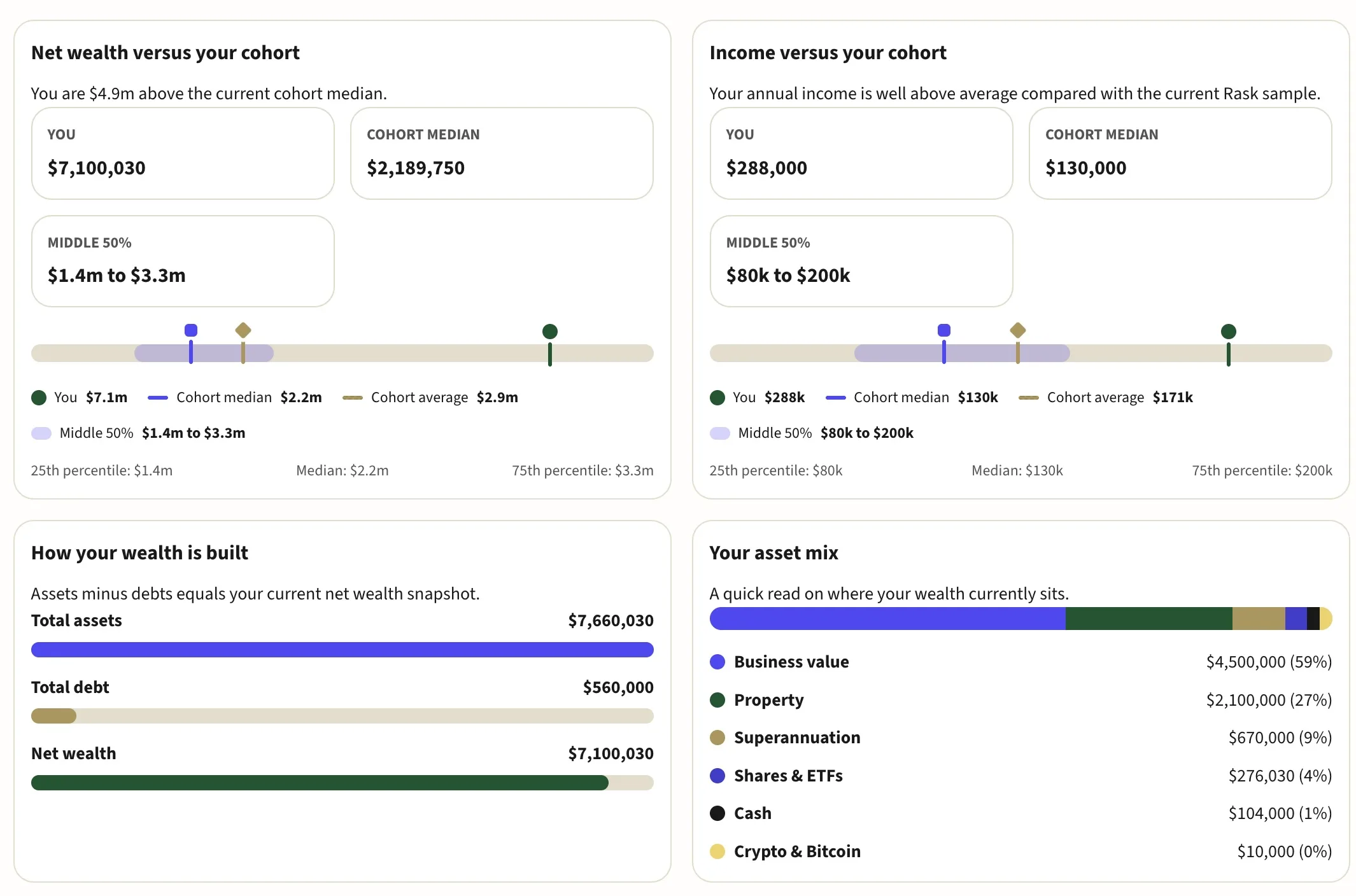
You also need to consider your existing assets. If you own a home, an investment property and a portfolio of Australian shares, your overall wealth may be more concentrated than your list of investments suggests.
Tax, fees and access to your money matter too. You need to understand what can be sold when you need it, and what the tax consequences might be.
A simpler portfolio can be easier to manage
A good portfolio doesn’t have to be complicated. In many cases, a simpler structure is easier to understand, maintain and stick with over the long term.
A useful starting point is to review your current portfolio and ask three questions:
- What am I trying to achieve with this money?
- What role does each investment play?
- Am I getting the diversification I think I am?
If you can’t answer those questions, it might be time to step back before buying anything else.
The aim isn’t to own the most investments or to make the most decisions. It’s to build a portfolio that supports your goals and that you can manage through different market conditions.
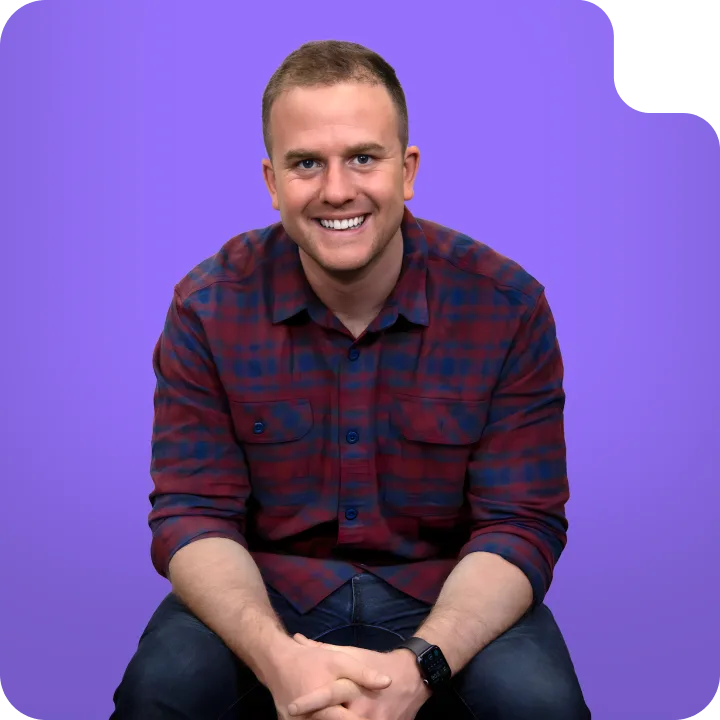
For more on investment portfolios, risk and diversification, you can hear me, James Phelan, discuss portfolio construction with Owen on the Australian Investors Podcast. Or reach out to Rask Advice for financial advice.
This article contains general financial information only and does not take into account your objectives, financial situation or needs. Consider your own circumstances and seek personal advice before acting on anything discussed.