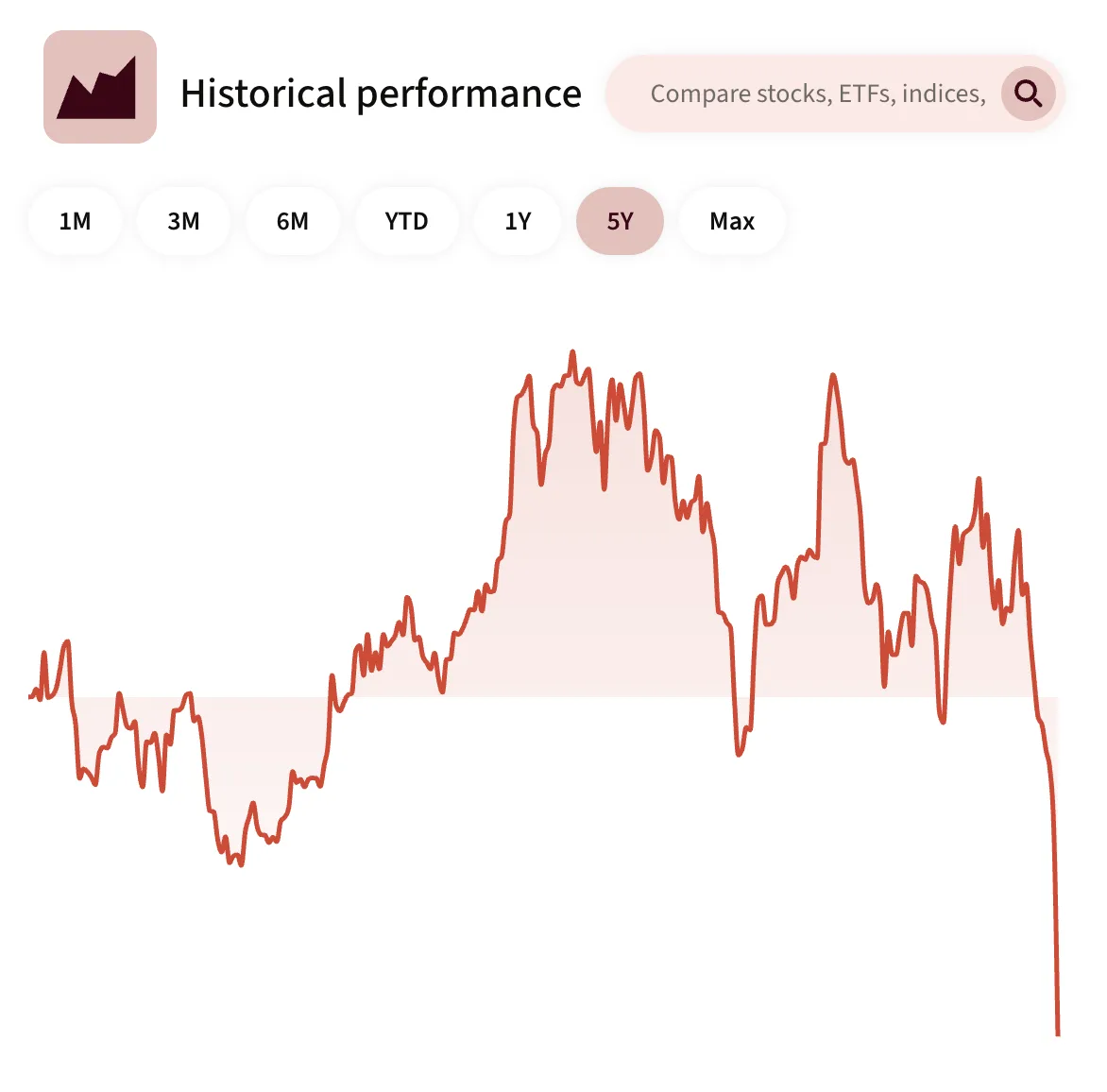
To say the NextDC Ltd (ASX: NXT) share price capitulated on Wednesday would be an understatement.
NextDC collapsed 42% after issuing a warning that it will fail to deliver on its previous expectations.
Sounds a bit like… Firmus, right?
You know, the completely botched IPO.
NextDC share price
Revenue is now expected between $475 million to $500 million, down from the previously quoted $615 million to $640 million.
By my fifth-grade math that’s a ~20% reduction in revenue.
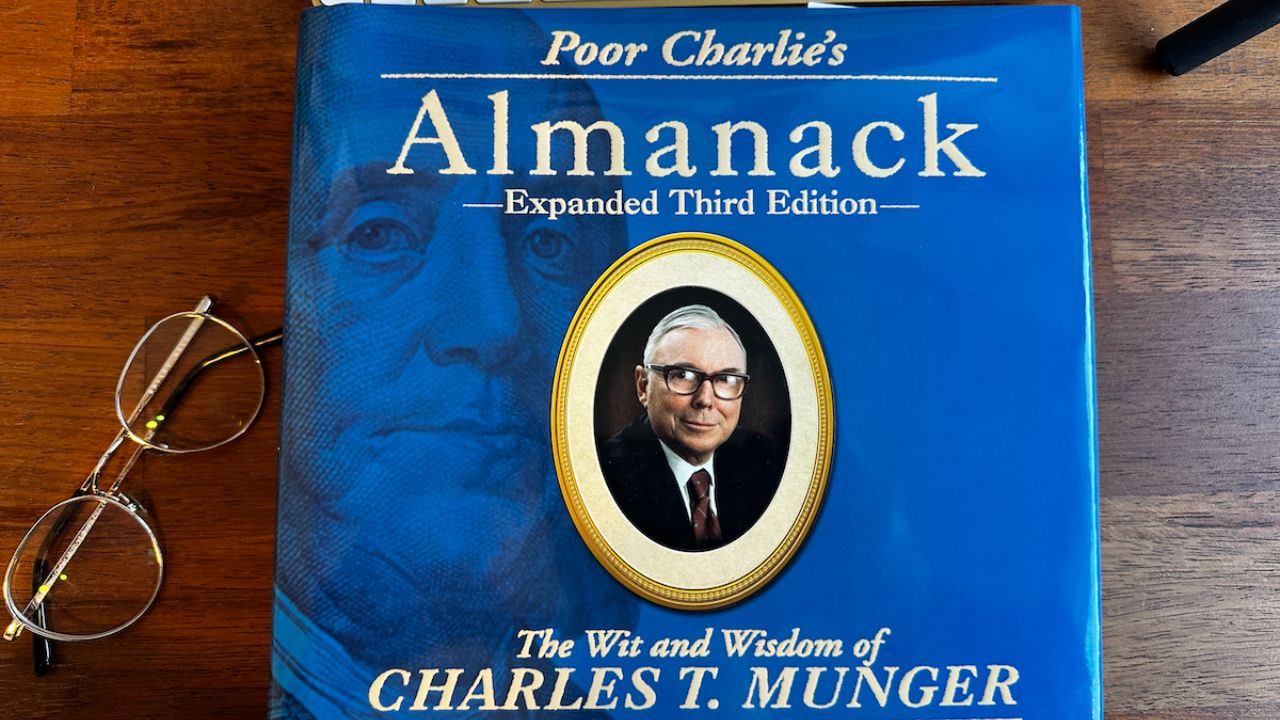
Further down the income statement, underlying EBITDA – otherwise known as “bullshit earnings” by Charlie Munger – was (at the mid-point) expected to be $395 million but it now expected to hit $255 million.
For fairness, the Underlying EBITDA calculation is extremely simple to understand…
“FY27 Underlying EBITDA excludes non-recurring items, costs of assessing acquisition opportunities, the Growth Incentive Plan announced on 24 February 2025 and costs of international markets other than Malaysia, which is no longer an early-stage market following the commissioning of KL1 Kuala Lumpur in May 2026. FY27 guidance is also given before any fair value movement on investment property”.
Pfft, accounting… am I right.
But in all seriousness, some adjustments are often warranted. Especially in extremely capital intensive, low-margin businesses like property (which is what a data centre is – a REIT for the internet).
The real reason NextDC shares fell
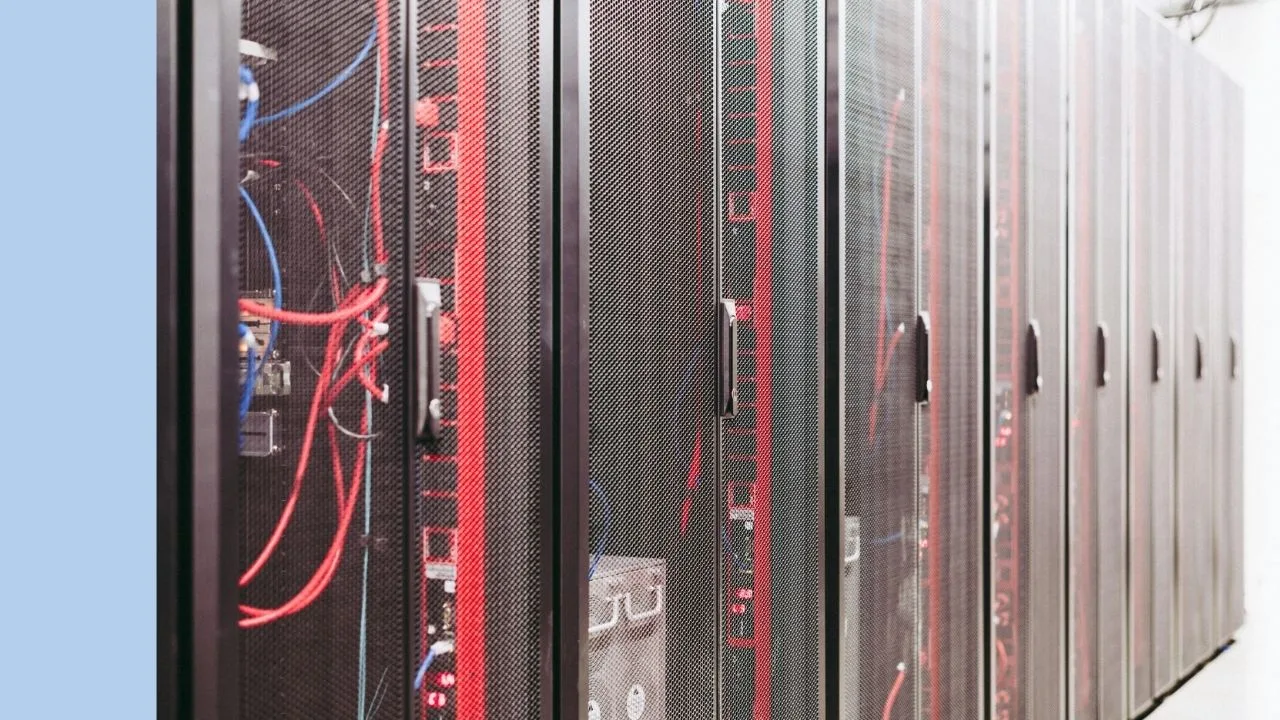
I think the real reason NXT fell so hard is people are seriously spooked about AI spending – especially in data centres.
Firmus claimed not to be a data centre (shocker: it is) and its failed IPO has simply given investors pause for thought.
“Maybe accounting is important?”
And:
“Huh, interest rates are really high by recent standards – does that impact debt raisings or interest costs?”
Or:
“Maybe the economics should be questioned?”
It’s no secret the world needs more compute.
Just like we need a stable Government (especially in Victoria – which is the state being blamed for the upgraded power grid issues for one of NextDC’s major data centres).
Remember, data centres often make contracts with buyers of compute ahead of time – this is good practice for DC owners. In a way, it’s like a pure execution play – similar to a contracted builder of a rental property. They need to be able to do it on time and on budget.
In their defence, NextDC has assets in play and has emphasised its liquidity as a key strength. It says it can pull on $1.3 billion of cash and $7.4 billion of debt.
The extra-real reason NextDC has fallen
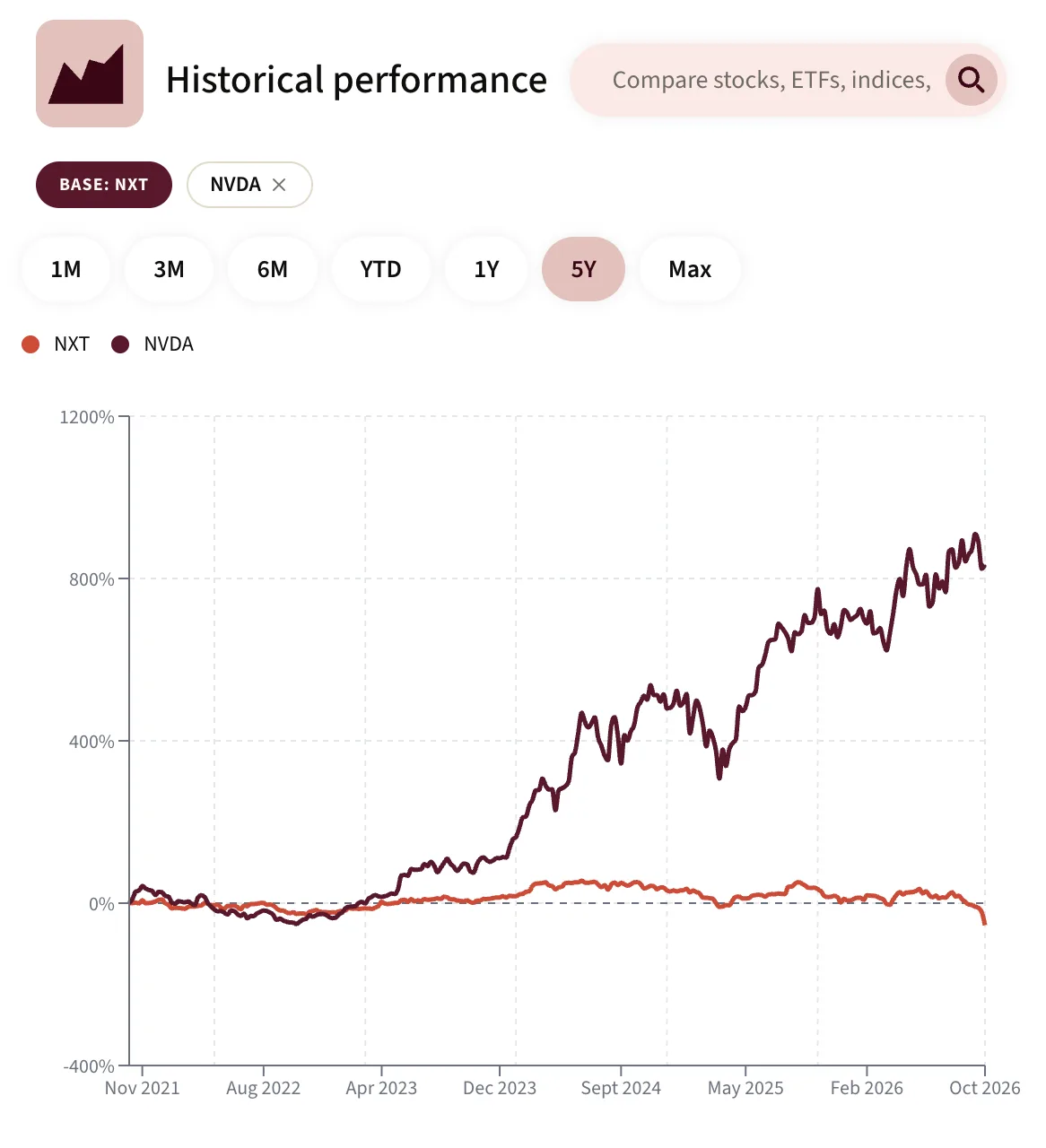
If you ask me, a significant reason why NextDC may struggle to scale well for shareholders is simply the economics of its business model:
- Since 2016 to now, it has issued an additional 180% more shares to investors.
- Since 2016, total debt has risen from $166 million to $3.3 billion at 30 June 2026 (it also issued $1.1 billion of convertible notes in September, on top of the $3.3 billion figure)
- NextDC does the compute, but it has to maintain the operation of the data centre.
- “Intelligence” (units of AI) and “cloud storage” (what a vanilla data centre effectively offers its customers) are going to be increasingly fungible – meaning, there is a risk that they’re close to commodities at scale. For example, if I’m a software engineer or CTO (enabled by unbelievable AI coding ability) I can swap data centre ABC123 in Melbourne for data centre XYZ456 in Sydney at a better price, I’ll do it.
On my final point, I recently did this myself. I took our entire platform and split it across two data centres – Melbourne and Sydney.
Admittedly, Rask is small fry compared to Government and corporate clients building secure tech. They are much less likely to switch DC providers because of 5%, 10% or 30% higher pricing – to them it’s about security (first) and reliability (second) because the risk of data loss is asymmetrically bad.
But if I boil all of this back down to simple terms every investor can understand:
- Does NXT business have a competitive advantage?
- What’s the pricing power of compute in years 2-3-4-5?
- What is the real growth runway?
- What should a business like this trade at in price-earnings ratio terms?
- What’s the discounted value of future cashflows, considering risk? (i.e. DCF analysis)
For what’s it worth, I would have bought NextDC shares before Firmus – if you forced me to pick. But don’t have to. So I don’t hold shares in either, and don’t plan to buy them today.
If you’re a shareholder, just keep tabs on the true free cashflow of the business and I think you’ll be fine. I don’t know enough about the unit economics over the forecast horizon to have a strong opinion either way… but you should.