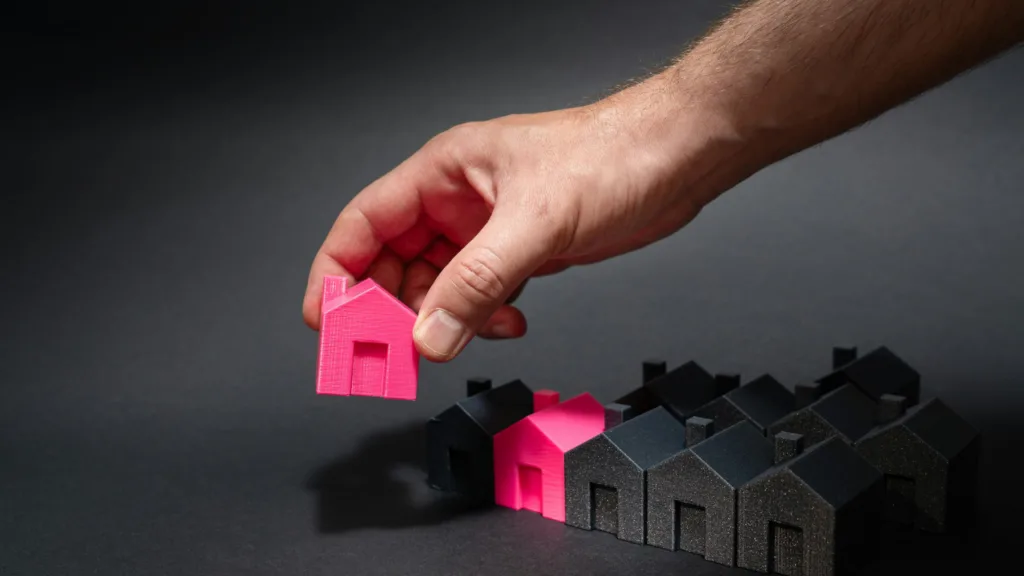
Owning an investment property can be a significant part of your wealth. We see it all the time: a healthy spreadsheet of assets. But as retirement approaches, a question we need to ask is whether the property is helping you fund the life you want, or perhaps hindering it.
This isn’t just a financial decision. It’s also about how you want to spend your time in retirement. Do you want to keep managing a property, dealing with tenants and organising repairs? Or would you rather simplify things and spend your time doing something else?
Of course, the decision depends on your overall finances, what you want retirement to look like and how the property fits into your plans. Here are some things to consider.
Look beyond the property’s value
Imagine you own an investment property worth $900,000 with a $300,000 mortgage. That might look like a substantial asset, with $600,000 in equity before selling costs and any tax implications.
But equity isn’t the same as spendable income.
You can’t sell a bathroom or a spare bedroom to pay for your groceries. The money is tied up in the property until you sell, borrow against it or find another way to access it.
You also need to consider the rent you receive alongside the mortgage repayments, property management fees, insurance, maintenance, rates and periods when the property might be vacant.
If the property costs you money each year, you’ll need to fund that shortfall from somewhere else. That might be manageable while you’re earning a salary, but less attractive when you’re relying on your investments to support your lifestyle.
The key question is whether the property contributes to the retirement cash flow you need, or whether it’s tying up money you could use elsewhere.
What could selling achieve?
Selling may release equity that could be used to pay off your home loan, build cash reserves or invest in other assets.
It could also simplify your finances. Instead of managing tenants, repairs and property expenses, you may prefer a more straightforward mix of cash, super and investments.
Think about what that extra money could mean for you. Could it help fund the holidays you’ve been putting off? Give you more flexibility with your spending? Allow you to reduce debt or feel more comfortable about retiring?
However, the sale price isn’t the amount you’ll necessarily have available to spend. Selling costs and potential capital gains tax need to be considered. The tax outcome will depend on your circumstances, including the property’s cost base, ownership and any applicable concessions.
The timing of a sale can also matter. If you’re planning to finish work in a particular financial year, it’s worth understanding how the sale could affect your taxable income and broader retirement plan.
What if you keep the property?
Keeping it might make sense if the rental income supports your spending, the debt is manageable and you’re comfortable with the ongoing responsibilities.
You may also want to retain the property for sentimental or longer-term reasons. You might be considering its potential for future growth, but don’t assume rising property values automatically make it the best asset to hold in retirement.
Consider how much of your wealth is tied up in property, whether you have enough accessible money for living expenses and how comfortable you are with the risks of relying on one asset.
And be honest about the lifestyle side of things. Are you happy to keep dealing with property managers, tenants, maintenance and unexpected bills? Do you enjoy being a property owner, or has it become another job?
There is no guarantee that owning an investment property will be a hassle, but there is also no guarantee it will be hassle-free.
Compare the likely cash flow from keeping the property with the options available if you sell and use the proceeds differently.
Five questions to ask yourself before deciding
Before deciding whether to keep or sell, work through these questions:
- Does the property support my retirement cash flow? How much income does it generate after expenses and loan repayments?
- How much cash would I actually receive if I sold? Consider selling costs, the mortgage and potential tax.
- What would I do with the money? Could it help clear your home mortgage, fund upcoming expenses or support your retirement income?
- What does my ideal retirement look like? Would keeping the property help me enjoy that lifestyle, or would selling give me more flexibility?
- Do I need to make this decision now, or can I reassess later? Are there key milestones that mean you need to decide by a certain date, or can you review your options each year as you get closer to retirement?
Make the decision as part of your retirement plan
A property decision shouldn’t sit in isolation. It needs to fit with your super, other investments, debts and expected spending.
The goal isn’t to own as many assets as possible. It’s to have the right assets: ones that support the retirement you want, with enough cash flow to enjoy it.
Want help working through your retirement numbers?
If you’re getting closer to retirement and want to get your head around the numbers, the Rask Retirement Academy can help you work through key decisions involved in preparing for retirement.
I’m one of the instructors in this online course. It covers topics including budgeting, understanding your super, planning retirement income and getting across government support. You’ll also have access to tools and calculators to help you work through the numbers and build a clearer picture of your own retirement.
Explore the Rask Retirement Academy and start planning for the retirement you want.
For more retirement planning insights, listen to the Australian Retirement Podcast episode “Retiring in 2027? 5 decisions to make before you stop work”.
Or if you know you need financial advice, we’d love to help. Reach out to us at Rask Advice.
This article contains general financial information only and does not take into account your objectives, financial situation or needs. Consider your own circumstances and seek personal advice before acting on anything discussed.