
Building wealth isn’t necessarily about earning a massive salary, buying a bunch of investment properties or picking the next big stock.
Often, it’s about getting a few important things right and sticking with them over time.
When you look at financially secure households, there are a few common themes. They have a plan for their home, invest beyond their superannuation and take their super seriously.
You don’t need to be wealthy already to start using these strategies. The trick is understanding how they work, where they fit into your life and what to focus on first.
1. Own a home that fits your life
For many Australians, the family home is one of their biggest assets. Owning a home can provide stability, more control over where you live and flexibility later in life.
It can also offer an important financial advantage. Once your mortgage is paid off, you generally have lower ongoing housing costs than someone renting a similar property. That can make a big difference to how much income you need in retirement.
But importantly, your home doesn’t need to be enormous or expensive to do its job. Right-sizing it is important!
Taking on a huge mortgage to buy the biggest property you can afford might leave you with less money to invest, less flexibility if your circumstances change and more financial pressure along the way.
A home should support the life you want, not make it harder to live it.
Tip: When you’re deciding how much to spend on a home, look beyond what the bank is willing to lend you. Consider the repayments, ongoing costs and whether you’ll still have money left to save and invest.
2. Build investments outside super
Superannuation is an important part of building long-term wealth, but it isn’t designed to cover every financial goal.
Generally, you need to meet a condition of release before you can access your super. If you want the option to reduce your working hours, take an extended break or retire before you can access it, you’ll need to think about how to fund that gap.
That’s where investments outside super can help.
Depending on your circumstances, these might include:
- Shares and exchange-traded funds (ETFs).
- Investment property.
- Cash and term deposits for shorter-term goals.
These investments can give you more flexibility over when and how you use your money. They may help fund a career change, provide extra income or support an earlier retirement.
You don’t need to own several properties or have a complicated portfolio. Regular investing in a diversified portfolio of shares or ETFs can be one way to get started, depending on your goals, timeframe and tolerance for risk.
The key is to understand what each investment is for. Money you might need in the next couple of years generally has a different job from money you’re investing for the next 20 years.
Tip: Ask yourself what you want your money to make possible. If you want the option to retire before accessing super, calculate how much you might need to fund those years and start building towards it.
3. Treat super as real money
It’s easy to forget about super. Contributions happen in the background, the balance sits in an account and retirement can feel a long way off.
But super is your money, and it deserves the same attention as the rest of your finances.
There are three big advantages worth understanding.
Lower tax
Super can offer tax advantages compared with holding investments in your own name, depending on your circumstances and the rules that apply.
Investment earnings in a complying super fund are generally taxed at up to 15% during accumulation, with different rules applying to capital gains and retirement phase. These concessions can help your balance grow over time.
Contribution caps, eligibility rules and access conditions matter, so it’s worth understanding the rules before making changes.
Discipline
Super is generally preserved until you meet a condition of release. That can make it harder to dip into your retirement savings for everyday spending or an impulse purchase.
It’s a long-term structure designed to help you build money for later in life.
Compounding
Investment returns can generate further returns over time. The longer your money stays invested, the more opportunity it has to compound.
Even small differences in contributions, fees and investment settings can add up over decades. That doesn’t mean returns are guaranteed, but it does show why checking in on your super regularly matters.
Tip: Log in to your super account and check your balance, investment option, fees, insurance and whether your employer contributions are being paid correctly. If you have multiple accounts, consider whether consolidating them makes sense after checking any insurance or other benefits you could lose.
Don’t leave your wealth-building plan exposed
Building wealth isn’t just about what you own. It’s also about protecting the income that helps you build it.
If illness, injury or another unexpected event affects your ability to work, your financial plan can come under pressure. Insurance may help protect you and your family, depending on the cover, exclusions and terms of the policy.
It’s also worth looking at how your wealth is spread across different assets.
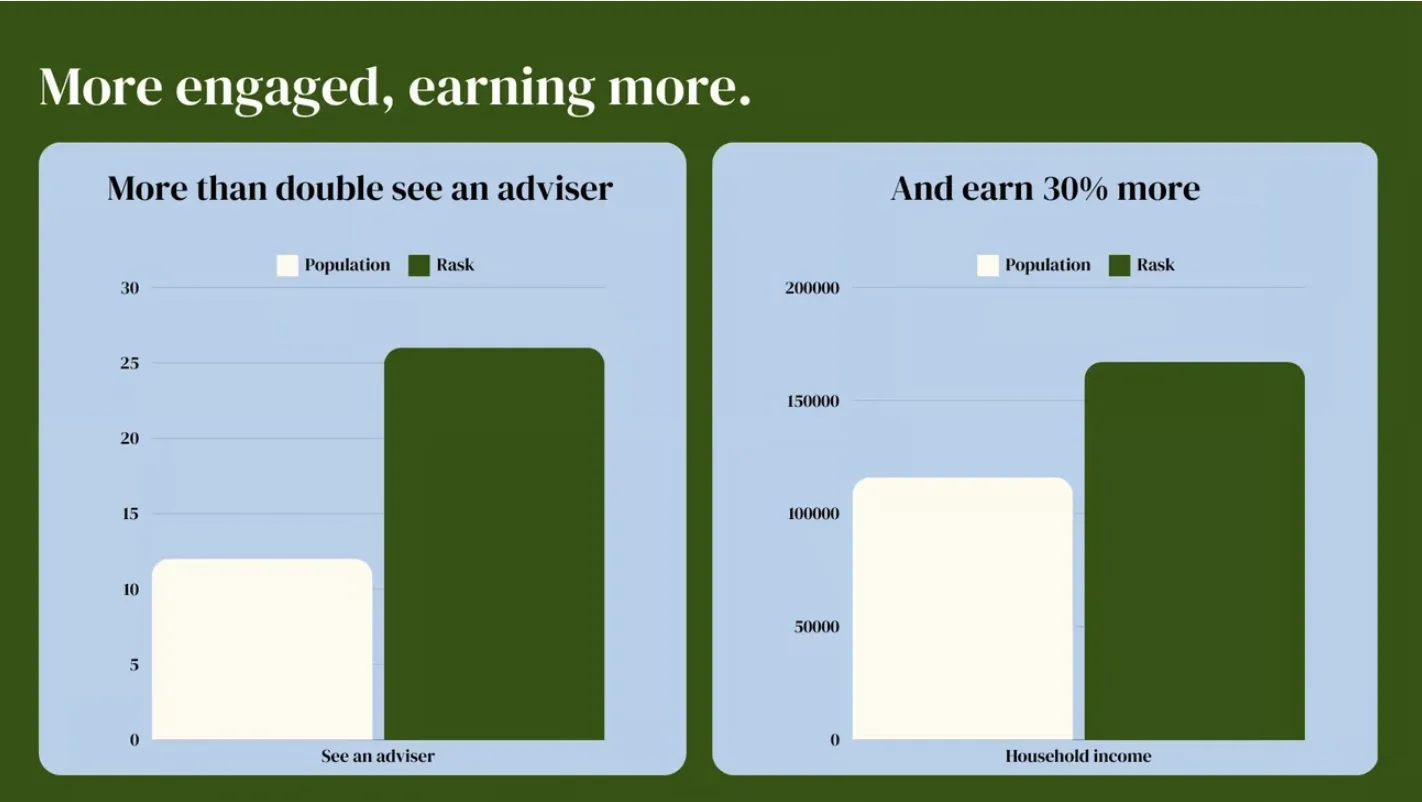
Rask’s Wealth Checker data discussed in the Australian Finance Podcast shows that property represents 50.4% of assets entered by the community, while super accounts for another 21%. That means more than 70% of the reported assets are concentrated in two areas. These are self-reported community figures, not a representative snapshot of all Australians.
Property and super can both play important roles, but they aren’t always easy to access when you need cash. Your home isn’t the same as money in the bank, and super is generally subject to preservation rules.
Think about whether you have enough accessible savings, how your investments are diversified and what would happen if your income stopped for a while.
Tip: Review your assets alongside your debts, cash reserves and insurance. A strong net worth is useful, but it’s also important to have a plan for accessing money when you need it.
What should you focus on first?
You don’t need to tackle all three areas at once. The right starting point depends on where you’re at today.
- If you’re getting started: Build good money habits, establish an emergency fund and make a plan for buying a home if that’s a goal.
- If you own a home but have little invested elsewhere: Look at how you could start building investments outside super, without stretching your budget.
- If you’ve been investing for years: Check whether your super settings, fees and contributions still suit your goals.
- If retirement is getting closer: Consider how you’ll turn your assets into income, when you’ll be able to access super and how much accessible cash you’ll need.
It’s also worth understanding the difference between retiring, accessing super and qualifying for the Age Pension. These are separate things, with different eligibility rules. Don’t assume that reaching a certain age automatically means you’ll qualify for government support.
The goal isn’t to copy someone else’s financial plan. It’s to build one that suits your income, family, lifestyle and the future you want.
Start with a clearer picture of your finances
If you’re not sure where you stand, start by looking at what you own, what you owe and how your wealth is spread across property, super and investments outside super.
Rask’s free Wealth Checker can help you get a clearer picture of your position and identify areas you might want to focus on next.
Try the free Rask Wealth Checker.
Listen to Owen Rask and Gemma Mitchell discuss these three pillars of wealth on The Australian Finance Podcast.
This article contains general financial information only and does not take into account your objectives, financial situation or needs. Consider your own circumstances and seek personal advice before acting on anything discussed.