

Rentvesting is what happens when your lifestyle belongs in one suburb, but your budget tells you to buy in another.
That tension is becoming more common across Australia.
For many first home buyers, the dream is not just to own property. It is to own property and still live near work, friends, family, beaches, cafés, or the part of town that feels like home. The problem is that these areas are often the least affordable. So some buyers take a different path: they rent where life works and buy where the numbers work. That is rentvesting.
At a glance, it sounds smart. In the right circumstances, it can be.
But it is not a free pass around the realities of property.
Why rentvesting appeals
The appeal is easy to understand.
Instead of waiting years to afford a home in a premium suburb, a buyer may purchase in a cheaper area, an outer ring suburb, or even another state, while continuing to rent somewhere that better suits their day-to-day life. That can mean getting into the market sooner, targeting a location with stronger rental demand, and building equity without having to sacrifice lifestyle immediately.
For some first home buyers, that is a rational move.
It can be especially attractive for younger professionals or couples who want flexibility, do not know exactly where they want to settle long term, or simply cannot justify buying a home to live in that would leave them financially pinned down.
In that sense, rentvesting can be a bridge between ambition and reality.
Why it can look better on paper than in real life
This is where the strategy needs a little more honesty.
Rentvesting often gets framed as a clever workaround. Keep your lifestyle. Buy property. Win both ways. But the trade-offs do not disappear. They just change shape.
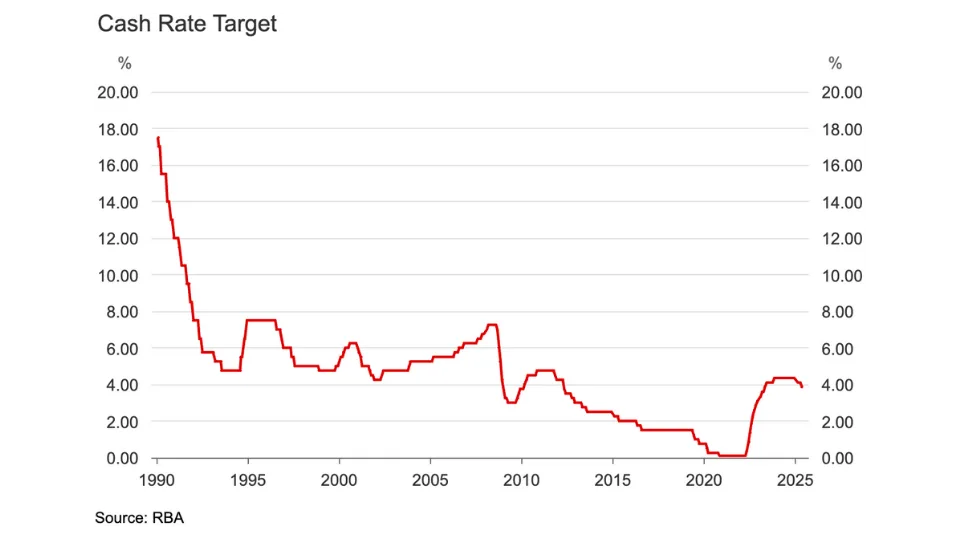
You may still be paying rent where you live while also covering a mortgage, council rates, insurance, maintenance, management fees, and the occasional repair bill on the property you own. If the property is vacant for a period, or rates stay higher for longer, the cash flow pressure can build faster than expected.
That is the part people tend to underestimate.
Owning an investment property as your first property means you are not just becoming a homeowner. You are becoming a landlord, or at least a property investor, from day one. That brings a different set of risks and responsibilities.
The emotional side matters more than people admit
There is also a non-financial wrinkle here.
A lot of first home buyers are not only chasing an asset. They are chasing the feeling of having a place that is theirs. Somewhere stable. Somewhere personal. Somewhere they can shape.
Rentvesting delays that feeling.
You may technically own property, but still be renting a place where you cannot renovate, may need permission to make changes, and can still be asked to move when a lease ends. Meanwhile, the property you own may feel more like a line item on a spreadsheet than a home.
For some people, that is perfectly fine. They are happy to think pragmatically and play the long game.
For others, it creates a mismatch. They think they are solving the emotional problem of “I want to own”, but what they really solve is the financial problem of “I want property exposure”.
Those are not always the same thing.
The strategy only works if the numbers are genuinely comfortable
This is where rentvesting should be judged.
Not by whether it sounds sophisticated. Not by whether it lets you say you are “in the market”. And definitely not by whether someone online made it sound like a property cheat code.
The real question is whether you can comfortably handle:
- your own rent
- your investment property costs
- interest rate pressure
- vacancies or repairs
- a long enough time horizon for the strategy to make sense
It also helps to be clear on what you actually want. If your goal is flexibility and asset-building, rentvesting may fit. If your goal is security, permanence and the emotional satisfaction of living in your own place, it may feel like a compromise that drags on longer than expected.
Property perspective for Raskals
Rentvesting is best understood as a tool, not a trick. It can be a thoughtful move for first home buyers who want flexibility, can handle the added complexity, and are comfortable treating their first property as an investment before it feels like a home.
But the smartest property strategy is rarely the one that sounds the cleverest. It is the one that still feels manageable after the mortgage is drawn, the tenant calls, and real life rolls on.