

Property investing for beginners is often sold as a search for the next hot suburb, but the real edge usually comes from getting the basics right before you buy anything.
That is less sexy, sure.
It is also far more useful.
A lot of beginners jump straight to listings, yields, renovation ideas and postcode debates. They start with the property. Most should start with themselves. Your goals, time horizon, borrowing power, risk tolerance and cash flow will shape the outcome long before a real estate agent opens the front door.
That might not sound exciting, but property has a way of punishing people who skip the foundations.
Start with the why
Before you buy, you need a clear reason for buying.
Are you trying to build long-term wealth? Create future income? Buy something you can hold for a decade or more? Or are you simply feeling pressure to “get in” before prices move again?
Those are not the same thing.
The beginner material you attached keeps circling back to this point in different ways. Set clear goals. Match the property to the strategy. Do not drift into an investment because it feels like everyone else is doing it.
Good property investors are rarely the most impulsive. More often, they are the ones who know exactly what game they are playing.
Borrowing capacity is not the same as comfort
This is one of the biggest traps for beginners.
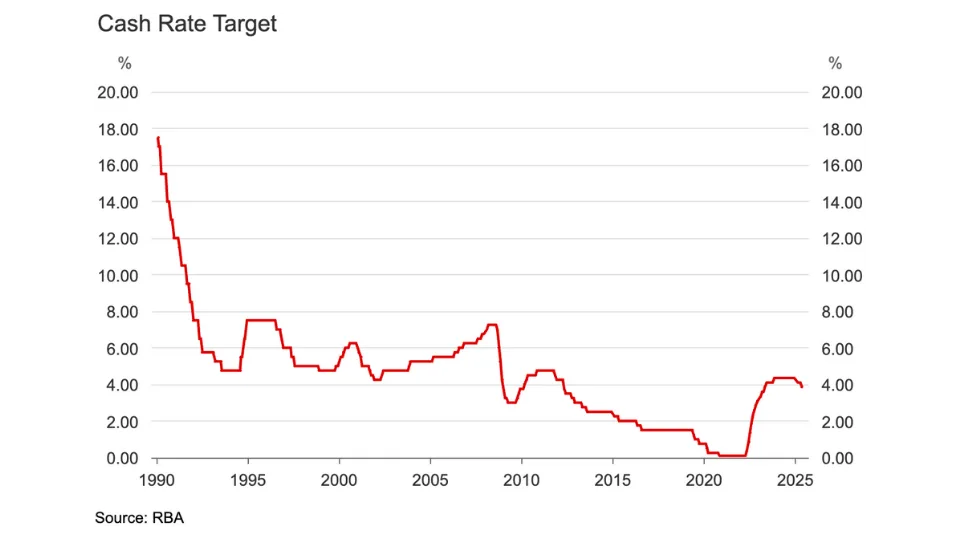
The bank may tell you what you can borrow. That does not tell you what will feel manageable when rates move, the hot water system dies, or the property sits vacant for a few weeks.
A beginner investor needs to think beyond the deposit and the headline repayment. There is stamp duty, legal fees, inspections, insurance, maintenance, property management, and the quiet but very important reality of keeping a buffer. The guides you shared make this point clearly, and they are right to. Property is not a one-off transaction. It is an ongoing financial commitment.
A lot of pain in property starts with a sentence like this: “We can probably make it work.”
Probably is doing a lot of heavy lifting there.
Strategy first, excitement second
Beginners often think they need a complicated strategy to be taken seriously.
Usually, they need the opposite.
The attached material runs through common approaches like buy and hold, negative gearing, flipping, renovating and rentvesting. That is useful. But the bigger lesson is simpler: pick a strategy that fits your life and stick with it long enough for it to work.
This is where property has a lot in common with long-term investing more broadly. You do not need to be flashy. You do not need to outsmart the market every six months. You need a sensible asset, bought at a sensible price, with enough financial breathing room to hold through the messy middle.
Because that is where the real compounding happens. Not in the first month. Not on settlement day. In the years after the purchase, when a decent plan keeps quietly doing its job.
Buy with logic, not lust
Property is emotional. That is part of the problem.
Unlike shares or ETFs, you can walk through a property. You can imagine the tenant. You can see the street. You can convince yourself that “it just feels right”. That is why beginners need a framework.
Look at the population trends. Look at infrastructure. Look at transport, schools, jobs and tenant appeal. Look at whether the property suits the area and whether the area has the kind of demand that supports the strategy. The beginner guides push investors towards research and due diligence for a reason. Emotion can get you interested. It should not get the final vote.
The market will always offer shiny distractions. New builds. Clever tax angles. Stories about someone who bought six properties by 29. The boring truth is that most beginners would be better served by buying one quality asset they can actually hold.
Build a team before you need saving
Property investing looks individual from the outside. In practice, the good investors build support around them early.
That might mean a mortgage broker, accountant, conveyancer, building inspector or property manager. It also means learning from people who think clearly and have been through a few cycles already. The attached guides both lean on this point, and it matters because mistakes in property are rarely cheap and rarely easy to unwind.
A beginner does not need all the answers. They do need to avoid making big decisions in an echo chamber of social media clips and sales-driven advice.
Perspective for Raskals
The foundations that matter most in property investing are not glamorous. Clear goals. Sensible numbers. A strategy that fits your life. Research that goes deeper than hype. And the patience to let time do some of the heavy lifting.
That is not the version of property investing that goes viral.
It is, however, much closer to the version that actually works.