
To buy your first home well, you need a clear plan, not a panic response to open homes, auction pressure and rising prices.
For many Australians, the goal to buy your first home can feel equal parts exciting and overwhelming. One weekend you are casually browsing listings, the next you are mentally rearranging furniture in a property you have seen for 12 minutes.
That is usually where mistakes begin.
A lot of first home buyers do not fail because they are careless. They get into trouble because they move too fast, stretch too hard, or mistake borrowing capacity for a sensible budget. The common traps are surprisingly consistent: not understanding the full budget, searching before getting pre-approval, using every dollar for the deposit, getting emotional, and skipping professional help.
Start with your real budget, not the headline price
The biggest mistake many buyers make is focusing on the property price alone.
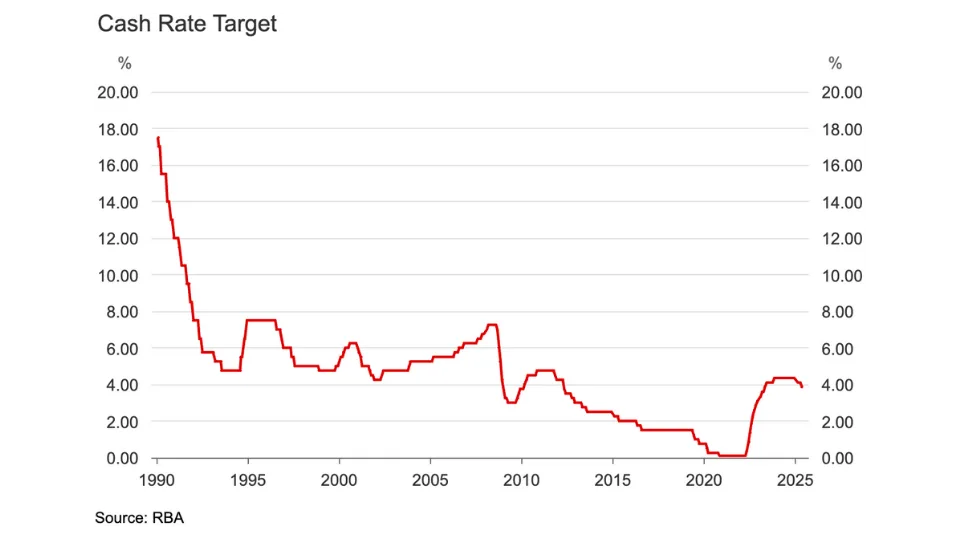
Your real budget is broader than that. It includes stamp duty if applicable, legal fees, inspections, insurance, moving costs, and the ongoing reality of rates, maintenance and repairs. Both of the attached guides make this point clearly, and one suggests buyers allow an extra 5% to 7% of the purchase price for additional costs.
That buffer matters.
A first home should not leave you financially breathless from day one. If buying means emptying every account and hoping nothing breaks, the property may be too expensive, even if the bank says yes.
Get pre-approval before you fall in love
Looking at homes before sorting finance is a bit like shopping without checking the price tags. It is easy to get emotionally attached to something that was never realistic.
Pre-approval helps define your range and puts structure around the search. It also makes it easier to act when the right property appears, rather than scrambling at the last minute. Both attached resources highlight pre-approval as a core step before seriously shopping.
Just as importantly, your search range should sit below your absolute maximum.
That gap is where your future breathing room lives.
Keep a buffer, even if it slows you down
Many first home buyers feel pressure to throw every available dollar into the deposit. On paper, that can look disciplined. In real life, it can leave you exposed.
Once you buy, life keeps happening. You may need urgent repairs, furniture, moving costs, or cash for things far less exciting but very real. Mortgage Express warns against using all savings for the deposit, while LJ Hooker also notes the stress that can come from borrowing too much and leaving no room for everyday life.
A home deposit is important. So is resilience.
Do not let emotion set the price
This is where otherwise sensible people can make expensive decisions.
You find a place that feels right. The lighting is great, the kitchen looks perfect, and suddenly your upper limit becomes “just a little more”.
That is exactly why buyers need a clear maximum price before they negotiate or bid. Both guides warn that emotion can lead buyers to overpay, stretch beyond budget, or ignore issues they would normally question.
The right property is not just the one that feels good in the moment.
It is the one that still makes sense after the excitement wears off.
Use experts to slow the process down
Rushing often happens when buyers try to do everything alone.
A mortgage broker, solicitor or conveyancer, and building or pest inspector can all help reduce costly mistakes. The attached articles repeatedly stress the value of contract reviews, inspections and professional guidance before signing anything.
That might sound boring compared to scrolling listings, but it is usually where good decisions are made.
Property perspective for Raskals
To buy your first home successfully, think less about speed and more about fit. A good first property is not the most exciting one you inspect. It is the one that matches your budget, leaves room for life, and still feels sensible after proper checks and calm thinking.
The goal is not to win the weekend. The goal is to make a decision your future self will be glad you made.