
Steady, unfussy growth rarely grabs headlines, but when a smaller company consistently trumps the blue-chip names everyone knows, it deserves a closer look.
Mader Group (ASX: MAD) is one of those rare mid-cap founder-led operators, compounding year after year while much of the market barely notices.
While several ASX stalwarts have delivered softer results in 2025, pockets of the small and mid-cap market continue to compound steadily.
Mader is a good example of what can happen when culture, capability, and execution align over long periods. It is not a “story stock” or a cyclical play. It is a services business that does essential work extremely well and has done so for two decades.
What the business actually does
Mader provides specialist technical services that keep mines, energy facilities and logistics assets running. The company supports more than 490 customers across 640+ locations, with a workforce of 3,900+ technicians and over 1,850 service vehicles stationed globally.
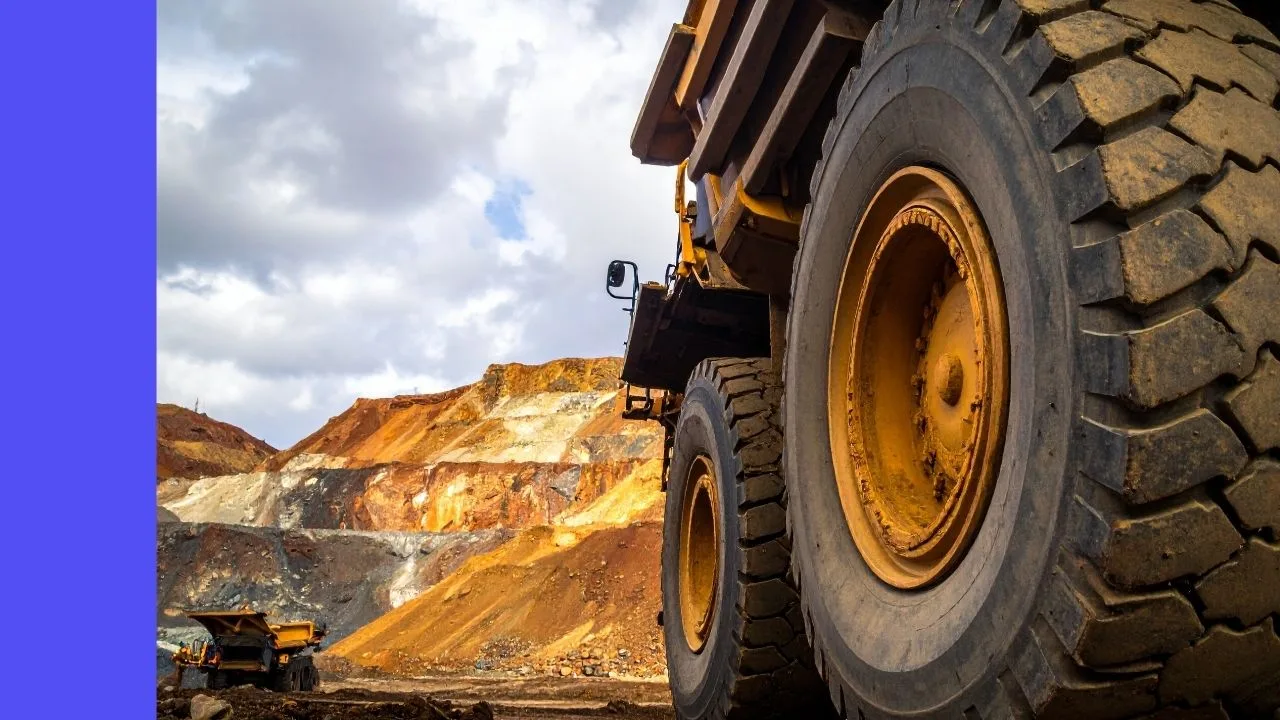
When a haul truck, excavator, crusher, conveyor or engine breaks down, production stops. Waiting for OEM technicians can be slow and expensive, which is why many operators turn to Mader. The company mobilises quickly, works across multiple equipment brands, and offers flexible, cost-efficient service models. This responsiveness is a major reason
Mader has become the preferred provider once machinery moves beyond its warranty period.
The business model is deliberately capital-light. Instead of owning fleets of equipment, Mader invests in people, training, and mobility. That structure allows it to scale with demand, adjust costs in weaker periods, and maintain healthy returns.
Culture as a competitive edge
Founder Luke Mader created the company in 2005 with a simple idea: build a workplace where tradespeople are supported, valued, and given opportunities beyond “just another job.” That philosophy still shapes the business today and, importantly, attracts a workforce in an industry where talent is scarce.
Around 66% of staff are under 35, and many are drawn to Mader’s culture-led programs. “Global Pathways” has enabled more than 380 employees to take overseas placements and short-term assignments. At the same time, the company’s “Three Gears” delivered over 150 adventure experiences to team members ast year — everything from hikes and off-road trips to activities that break up remote rosters and build community.
These programs matter commercially. More engaged technicians tend to stay longer, develop broader skills, and deliver better client outcomes, which reinforces the company’s reputation for reliability.
Consistent, compounding growth
Across the FY25 results, and looking back over the company’s listed history, one theme stands out: consistency.
Mader has delivered revenue growth of ~30% compounded annually (CAGR) over 10 years and has exceeded its profit (NPAT) targets in every year of its five-year strategic plan to date. FY25 revenue reached $872.2 million, up 13%, while NPAT grew to $57.1 million, also up 13%. Margins remain stable at around 6.5% to 6.6% for five straight years, which is rare for a labour-heavy services business.
The balance sheet tells the same story. Net debt dropped 73% to $8.3 million in FY25, and the company expects to reach a net cash position in FY26. This financial strength gives it room to keep investing in people, mobility, and global expansion without relying heavily on external capital.
Australia strong, North America emerging
Australia still delivers the majority of revenue at 79%, supported by long relationships, site density, and deep workforce coverage. But the most exciting runway is overseas.
North America now contributes 19% of revenue, with more than 550 employees and over 100 customers across the US and Canada. After a slower first half, the region returned to growth in 2H FY25, expanding revenue by 8% half-on-half and showing what the long-term opportunity looks like when customer activity picks up.
Given the sheer size of the mining, energy and logistics sectors in North America, Mader’s roughly 2% estimated market share suggests years of expansion ahead.
Diversification into infrastructure maintenance, rail, energy services, and emerging industrial markets is also progressing. These segments share a common pattern: assets that are essential, operationally intensive, and costly when they fail. Mader’s model fits neatly into that environment.
A long-term growth platform
The factors behind Mader’s rise — founder alignment, capital-light growth, operational discipline, and a strong cultural foundation — are embedded in the business. They show up in its margins, retention rates, ability to deploy technicians globally, and track record of organic scaling.
The company now enters FY26 with guidance for at least $1 billion in revenue and $65 million net profit, marking another step in a long compounding journey.
For investors, it is a reminder that some of the most durable performers are not always the largest. They are often founder-led operators quietly expanding into huge markets, one technician and one site at a time.